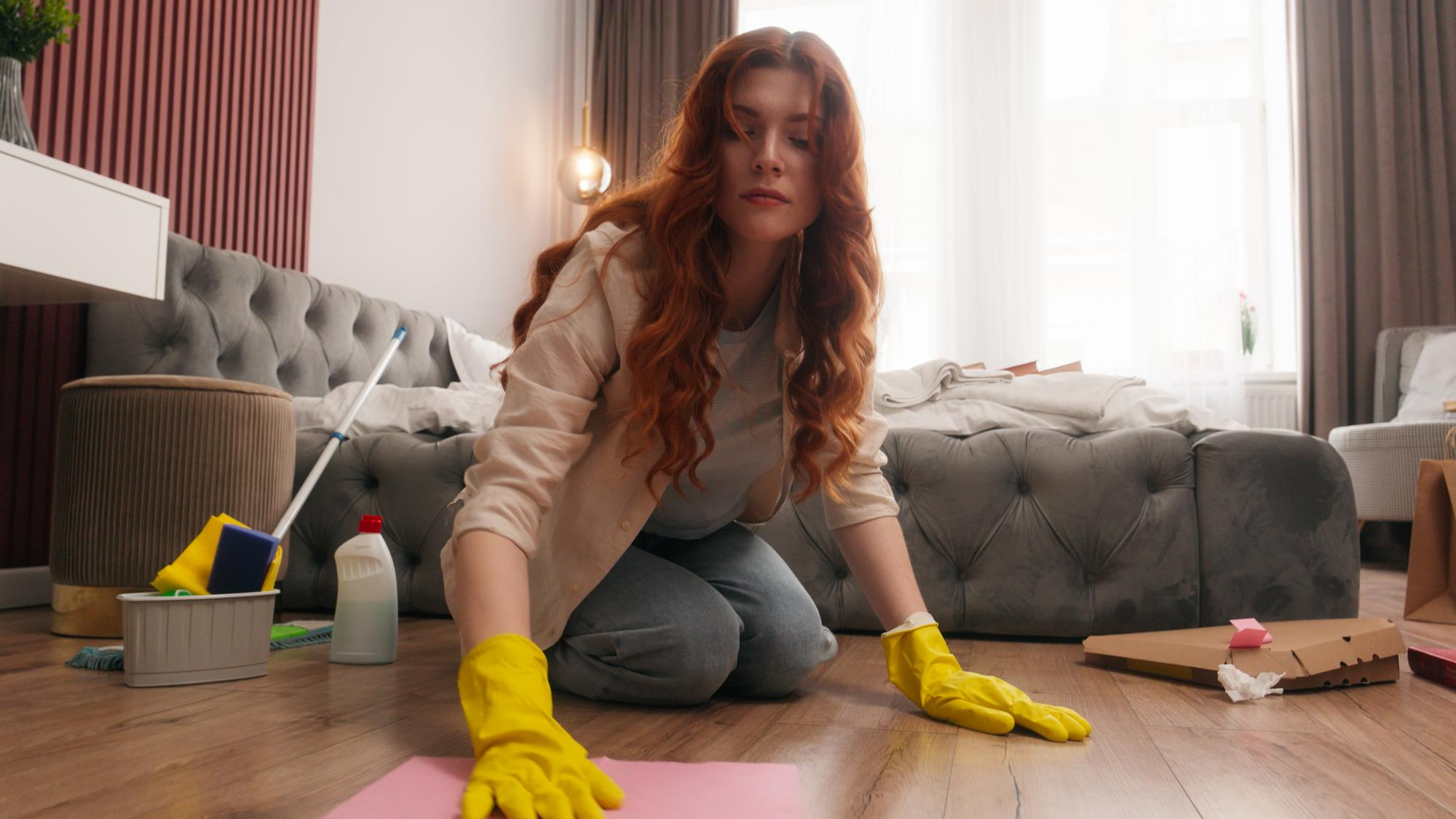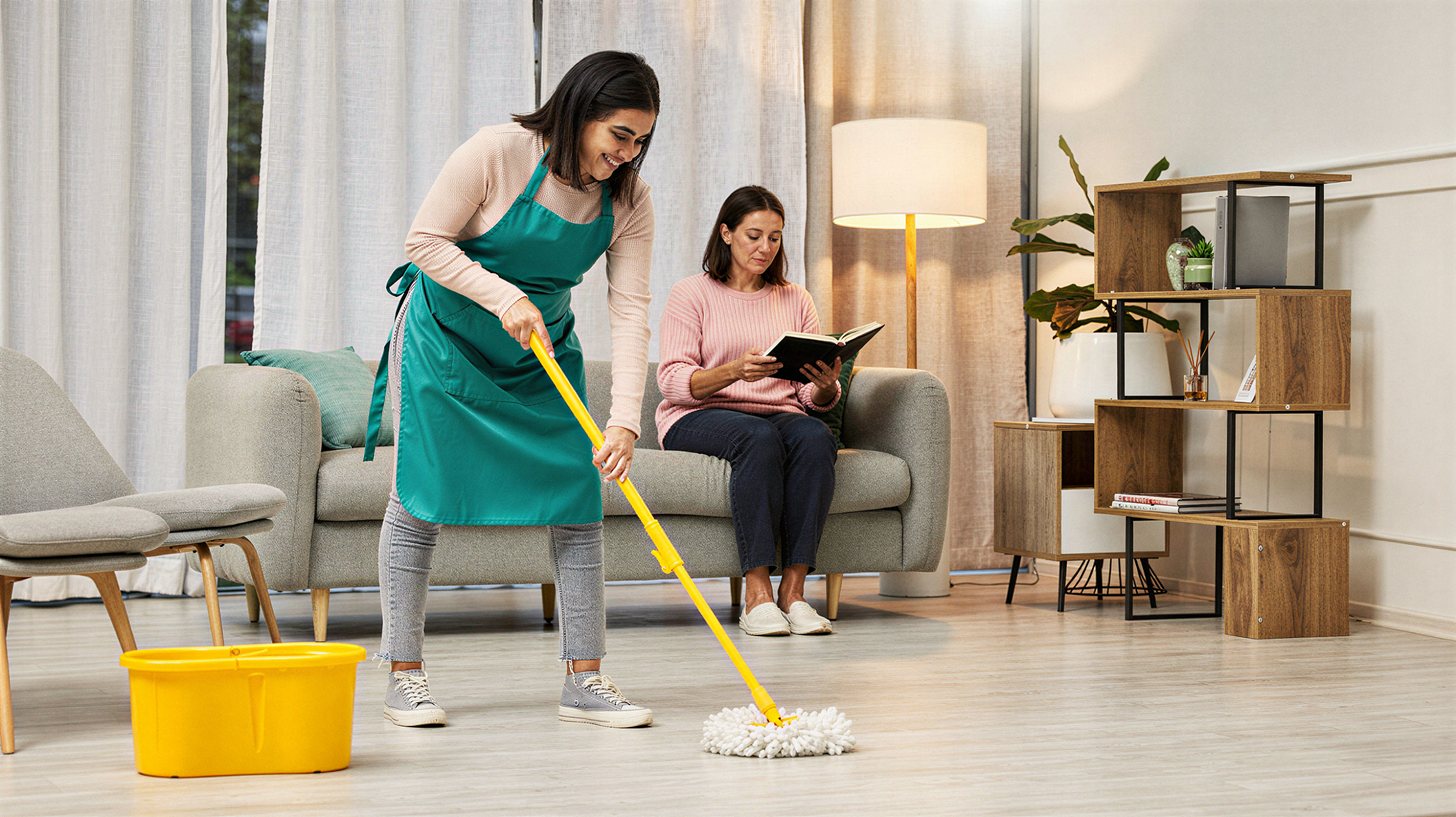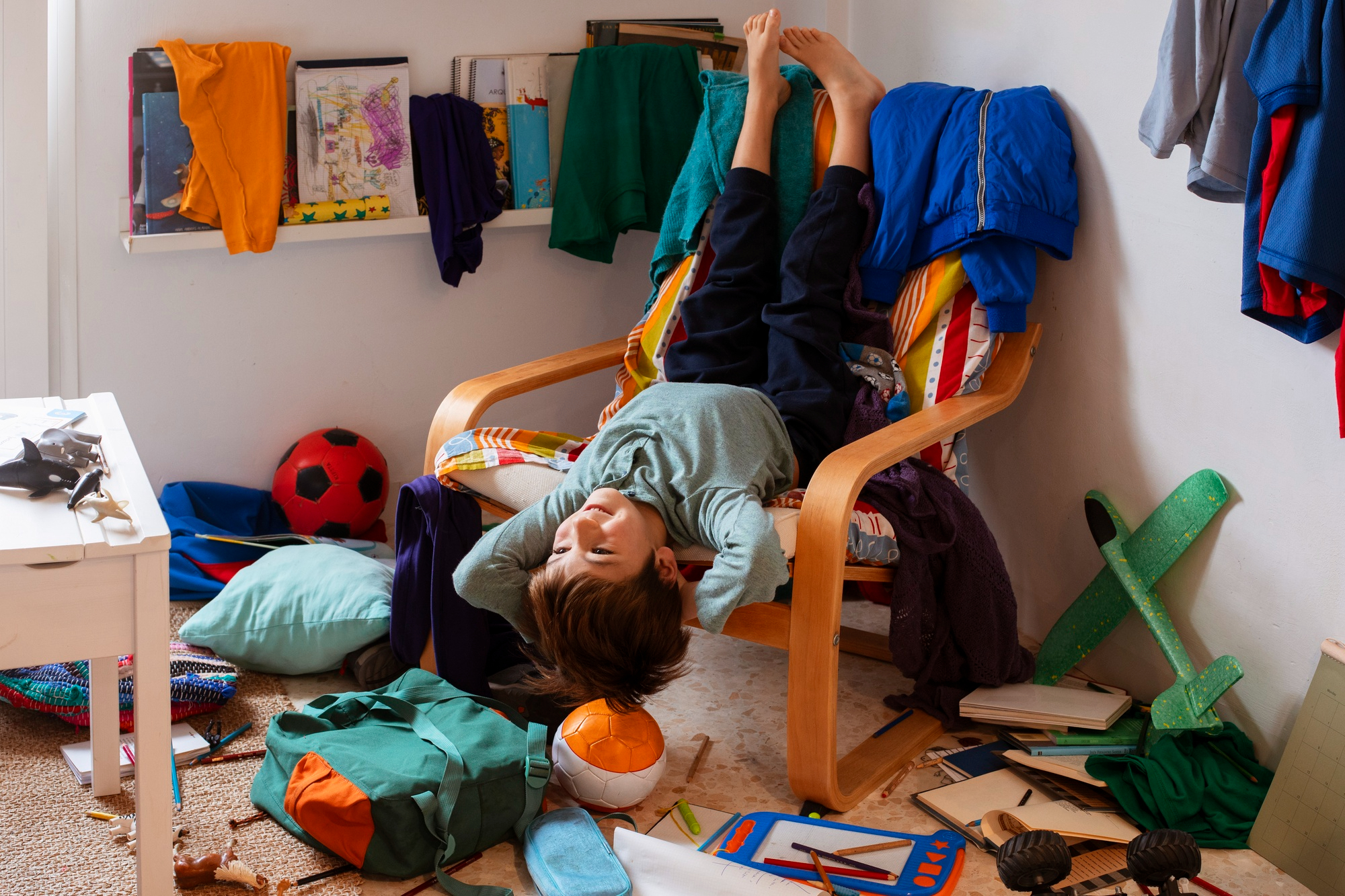
If you live in a New York City studio or a one bedroom under 700 square feet, you already know the feeling. You clean on Sunday, and by Wednesday the apartment looks like it never happened. It is not because you are messy. It is because small apartments operate under a completely different set of physical rules than larger homes. In a spacious house, clutter has room to spread out and hide. In a tiny apartment, every object is visible, every surface is shared, and every small addition registers immediately.
This is one of the most common frustrations we hear from clients across Manhattan and Brooklyn. People assume that if their home looks cluttered, they must be doing something wrong. In reality, most tiny apartments are working against a set of physical constraints that have nothing to do with personal habits. Once you understand those constraints, the daily mess starts to feel a lot less personal and a lot more solvable. Below, we walk through the real reasons tiny apartments feel chaotic so quickly, along with the systems that actually keep them under control long term.
Surface area versus storage
In a large home, the ratio of storage space to living space is generous. Closets, basements, garages, and spare rooms absorb the overflow of daily life, so most possessions stay out of sight. A tiny apartment flips that ratio. You might own roughly the same number of items as a friend in a bigger place, but you simply have fewer places to put them where they will not be seen. Kitchen counters double as pantry overflow. Bathroom shelves double as linen storage. The bed frame becomes the only place for off season clothes. When storage is limited, objects spill onto surfaces by default, and surfaces are exactly what your eye scans first when judging whether a room feels clean. That is why the same amount of stuff looks like clutter in a small unit and looks like normal life in a larger one. It also explains why buying more furniture rarely solves the problem. Adding another shelf or cabinet helps only if it genuinely increases hidden storage. If it simply adds another flat top, it becomes one more surface competing for space in an already crowded room.
Visual clutter in small spaces
Distance changes how the eye reads a room. In a spacious apartment, your gaze travels across open floor and blank wall before it lands on an object, and that empty space gives your brain a visual rest. In a tiny apartment, there is no such buffer. The kitchen table sits three feet from the couch, which sits four feet from the bed. Every object competes for attention because there is nothing neutral separating them. Studies have shown that visual clutter increases perceived stress and makes a space feel disorganized even when the actual mess is minor. In a compact apartment, this effect is amplified simply because of proximity. A single stack of mail on a counter that is visible from every angle of the room reads as far messier than the same stack would in a house with a dedicated entryway. This is also why tiny apartments can feel calm in the morning and chaotic by evening. Nothing dramatic has to happen. A few extra objects appearing throughout the day, all within the same small sightline, is enough to tip the entire room from tidy to overwhelming.
Multipurpose furniture challenges
Small space living almost always means multipurpose furniture. The ottoman is also storage. The coffee table is also a desk. The sofa is also a guest bed. This kind of furniture is smart in theory, but it comes with a hidden cost. Every multipurpose piece requires a reset step to return to its default function, and that reset step is the first habit to slip when life gets busy. A folding desk that never gets folded back becomes a permanent surface for loose papers. A storage ottoman that is never closed becomes an open bin overflowing with blankets. The furniture that was supposed to save space ends up creating a new kind of clutter, because its flexibility depends on a discipline that most households do not maintain every single day. The fix is not to abandon multipurpose furniture, since it is often the only realistic option in a small footprint. It is to treat the reset step as part of the furniture’s actual function, not an optional extra, so the piece keeps doing the job it was bought for.
Why one shopping bag changes the whole room
Scale matters more than most people realize. In a 2,000 square foot home, a grocery bag left on the counter barely registers. It occupies a tiny fraction of the total visual field. In a 400 square foot studio, that same bag can occupy a meaningful percentage of the kitchen counter, which is often the same surface used for prepping meals, charging devices, and sorting mail. One bag of groceries, one delivery box, or one pile of laundry has an outsized visual impact simply because there is less room for it to blend in. This is why tiny apartments can look pristine one hour and cluttered the next. The volume of stuff has not changed much, but its relative footprint has, and that shift is what your eye picks up on immediately. Understanding this scale effect can also change how you feel about the mess itself. A cluttered counter in a tiny kitchen is not a sign that you have let things go. It is simply what a small amount of ordinary life looks like when it has nowhere to hide.
Systems that work in apartments under 700 square feet
The good news is that small apartments respond extremely well to a few consistent systems, often faster than larger homes do. A nightly ten minute reset, where every surface gets cleared before bed, prevents the daily buildup that turns into a weekend deep clean. A one touch rule, where mail, shoes, and bags go straight to their designated spot instead of a temporary one, removes the staging zones where clutter tends to collect. Vertical storage, such as wall shelves and over door organizers, adds real capacity without eating floor space. Designated landing zones near the entry give keys, bags, and outerwear a specific home instead of the nearest flat surface. Finally, regular decluttering matters more in small spaces than anywhere else, since every extra item in a tiny apartment takes up storage that is already scarce. None of these systems require more square footage. They just require consistency, and once they become habit, a small apartment can look tidy with far less daily effort than people expect. Pairing these habits with a regular professional cleaning also makes a noticeable difference, since a periodic deep clean resets the whole space and makes the daily systems much easier to maintain.
It’s not you, it’s the space.
Ready for a space that stays clean without the daily fight?
Book a Quicklyn cleaning today and let our team handle the reset, so your apartment feels bigger, calmer, and easier to keep that way.